
Master of Environmental Protection, Master of Food Technology, Master of Agriculture, Master of Forestry
Podijeli sa:
Programme Overview and qualifications
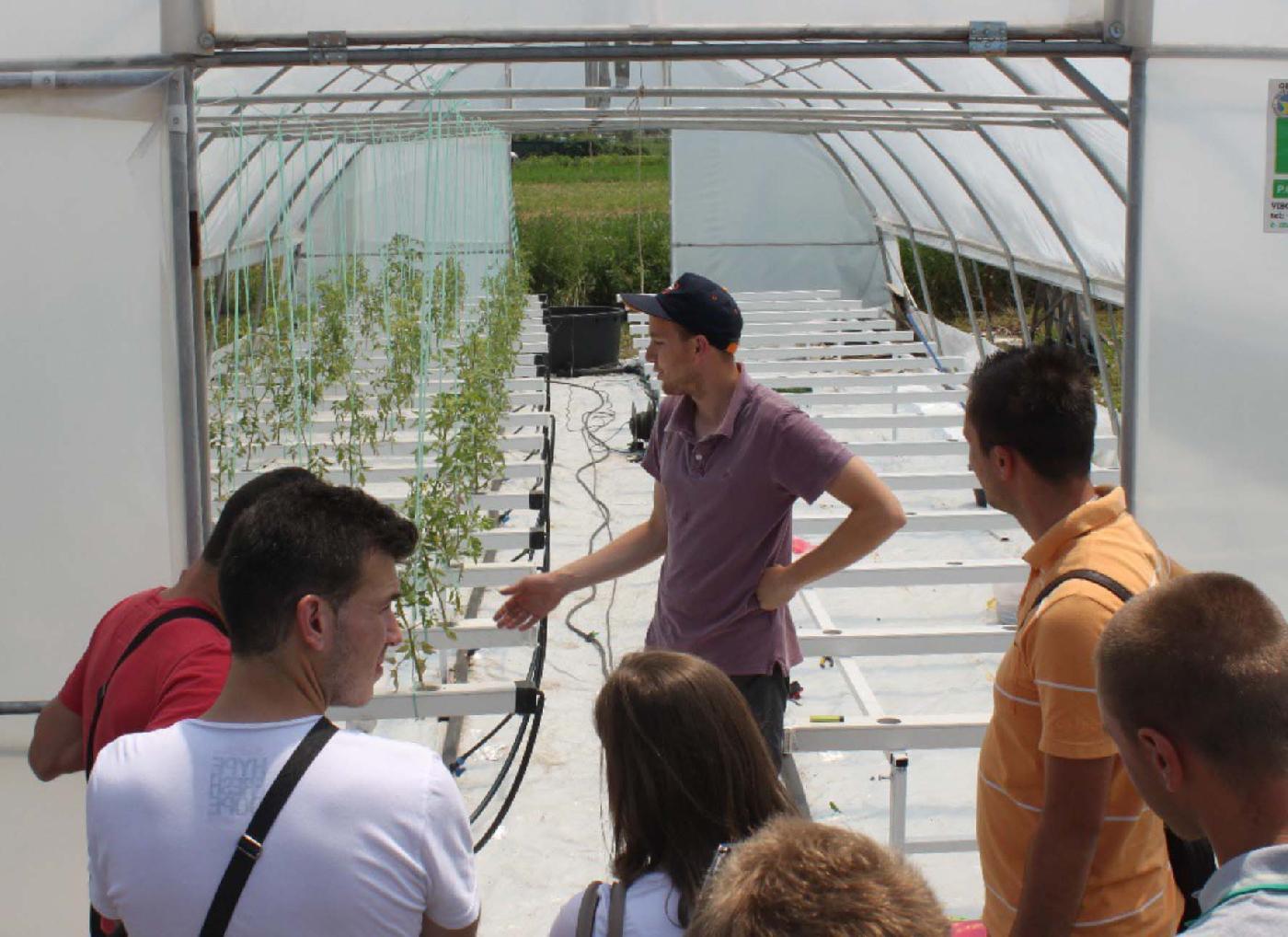
The second cycle study programme at the Biotechnical Faculty builds upon and expands the knowledge and skills acquired during the first cycle of studies. The programme is designed to provide students with in-depth theoretical and practical knowledge within their chosen field of specialisation (Eco-Engineering, Nutrition, Sustainable Food Production Systems, Fruit Growing, Crop and Vegetable Production, Animal Production, and Forest Cultivation, Management, and Utilization), with a strong emphasis on an interdisciplinary approach and sustainable development. The aim of this study programme is to encourage the development of critical thinking skills, foster the ability to work both independently and in teams, and cultivate an interest in research, thereby enabling students to attain a higher level of professional and scientific knowledge in their chosen field. It also provides a solid foundation for further academic advancement at the third cycle of studies. The second cycle study programme at the Biotechnical Faculty of the University of Bihać lasts one year and carries 60 ECTS credits. Upon completing both the first and second cycle of studies, students will have earned a total of 300 ECTS credits. The study programme is structured so that students attend four core courses together, while also choosing elective courses based on their selected specialization. Electives are offered within the following modules: Environmental Protection – Eco-Engineering; Food Technology – Nutrition or Sustainable Food Production Systems; Agriculture – Fruit Growing, Crop and Vegetable Production, or Animal Production; and Forestry – Forest Cultivation, Management, and Utilization.
Expected competencies
During the second cycle study programme at the Biotechnical Faculty, students develop competencies that enable them to plan, design, and organize production with the highest possible positive economic outcomes and minimal negative impact on the environment. Upon completion of the programme, graduates will be capable of implementing modern production technologies, critically assessing ecological impacts, and ensuring compliance with environmental legislation. One of the expected competencies is the ability to design research projects and apply for EU funding, as well as to conduct and manage experiments both in laboratories and in the field. Ultimately, the programme trains experts from various disciplines who are equipped to independently interpret, critically analyze, and evaluate data obtained through research activities in order to effectively implement sustainable production programmes, assess their impact on the human body, and manage natural resources.
Contact Information
Address: Biotechnical Faculty, University of Bihać, Luke Marjanovića bb, 77000 Bihać, Bosnia and Herzegovina
Head of Department: Subha Avdić, MA
Phone: +387 37 228 059
Website: btf.unbi.ba
Email: btf@unbi.ba